How to Network at Events: 15 Proven Strategies That Actually Work in 2026
Most professionals attend events and leave with a pocket full of paper cards that never get followed up. Here are 15 strategies that top networkers use to turn every handshake into a lasting business relationship.
Md Rasel islam
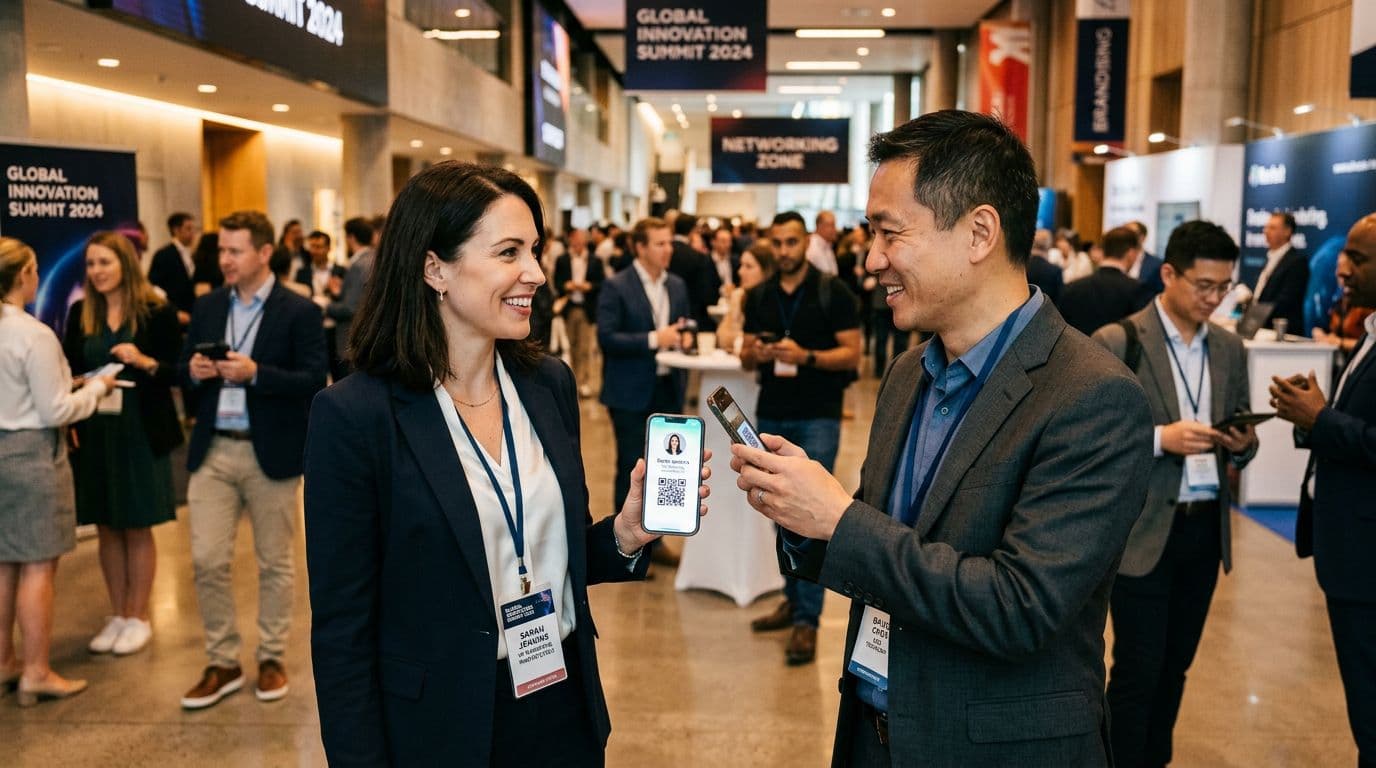
How to Network at Events: 15 Proven Strategies That Actually Work in 2026
You just got back from a conference. Your pocket is full of paper business cards. You tell yourself you'll follow up tomorrow.
You won't. And neither will 88% of the people who took your card.
The truth is, networking at events hasn't changed much in 30 years — but the tools have. Here are 15 strategies that top-performing professionals use to turn a 30-second introduction into a real business relationship.
Before the Event
1. Set a Connection Goal, Not a Card Goal
Don't aim to "hand out 50 cards." Aim to have 5 meaningful conversations. Quality beats quantity every time. Research attendees beforehand on LinkedIn and identify 3-5 people you genuinely want to meet.
2. Prepare Your 10-Second Intro
Skip the elevator pitch. Instead, prepare a single sentence that answers: "What problem do you solve?"
Bad: "I'm a senior consultant at XYZ Corp specializing in digital transformation."
Good: "I help mid-size companies cut their IT costs by 30% without losing capability."
3. Go Digital With Your Business Card
Paper cards get lost, damaged, or thrown away. A digital business card lives on the recipient's phone permanently. They can save your contact with one tap, and you can track who actually viewed your info.
Pro tip: Have a QR code ready on your phone screen. It takes 2 seconds to share and makes you memorable.
During the Event
4. Arrive Early
The first 30 minutes of any event are gold. Fewer people, easier conversations, and the people who arrive early are usually the most serious networkers. You'll also have more energy and confidence before the room fills up.
5. Skip the People You Already Know
It's comfortable to hang with colleagues, but it's a waste of your networking time. Set a rule: spend 80% of your time with new people. You can catch up with existing contacts anytime.
6. Ask Better Questions
Stop asking "What do you do?" Instead, try:
- "What's the most interesting project you're working on right now?"
- "What brought you to this event specifically?"
- "What's the biggest challenge in your industry right now?"
These questions create real conversations, not awkward small talk.
7. Listen More Than You Talk
The best networkers follow the 70/30 rule: listen 70% of the time, talk 30%. People remember how you made them feel, not what you said. Ask follow-up questions. Show genuine interest.
8. Share Your Contact Instantly
When there's a natural connection, share your contact info immediately — don't wait until the end of the conversation. A digital business card with a QR code makes this seamless. One scan and they have your name, email, phone, LinkedIn, and website saved to their phone.
No fumbling with paper. No typos. No lost cards.
9. Take Notes Right After Each Conversation
As soon as you step away, spend 30 seconds adding a note to your phone about what you discussed. "Met Sarah — launching a new SaaS product, needs help with go-to-market strategy, loves hiking."
These notes are what turn a generic follow-up into a personal one.
10. Work the Margins
The best conversations don't happen during sessions — they happen:
- In line for coffee
- Walking between rooms
- At the hotel bar after hours
- During lunch breaks
Don't eat lunch alone. Sit with strangers. That's where deals happen.
After the Event
11. Follow Up Within 24 Hours
The follow-up window is 24 hours. After that, you're forgotten. Send a personalized message referencing something specific from your conversation:
"Hey Sarah — great meeting you at TechCrunch. Loved hearing about your go-to-market challenges. I wrote a case study that might help — want me to send it over?"
If you used a digital business card with analytics, you can even see who already viewed your card and prioritize those follow-ups.
12. Connect on LinkedIn With Context
Don't send a blank connection request. Reference the event and your conversation. This alone puts you ahead of 90% of networkers.
13. Offer Value Before Asking
Your first follow-up should give something, not ask for something. Share an article, make an introduction, or send a resource related to what you discussed. This builds trust before you pitch.
14. Schedule a 15-Minute Call
If the connection is strong, don't let it go cold. Suggest a brief call within 2 weeks: "Would love to continue our conversation — got 15 minutes next week?"
15. Build a System, Not a Stack of Cards
The difference between people who network successfully and those who don't isn't talent — it's systems:
- Use a digital business card so your contacts never get lost
- Tag your connections by event, industry, and potential
- Set follow-up reminders
- Track who's engaging with your card using analytics
Tools like BizLinker let you see exactly who viewed your card, when, and where — so you know who's actually interested before you follow up.
The Bottom Line
Networking isn't about collecting contacts. It's about creating relationships that generate value for both sides.
The biggest shift you can make today: Stop relying on paper cards that end up in the trash. Go digital, track your reach, and follow up fast.
Your next event is coming up. Create your free digital business card before you go — it takes 2 minutes and you'll never lose a lead again.
Want more networking strategies? Check out our guide on building a personal brand online or explore our free QR code generator to make sharing your contact info effortless.